

 Slovensky (EUR)
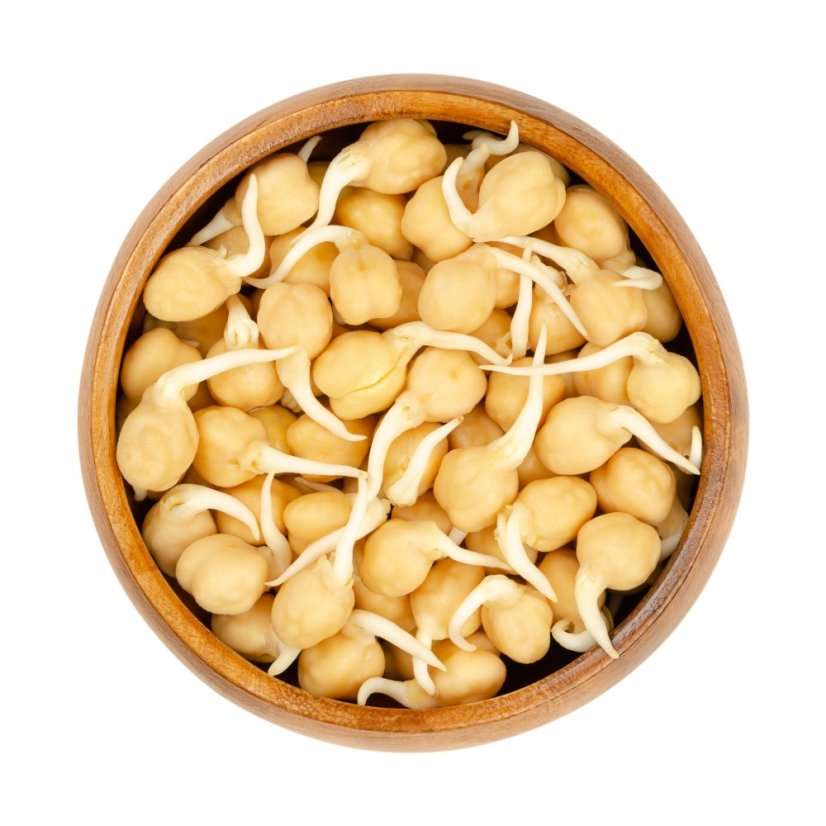
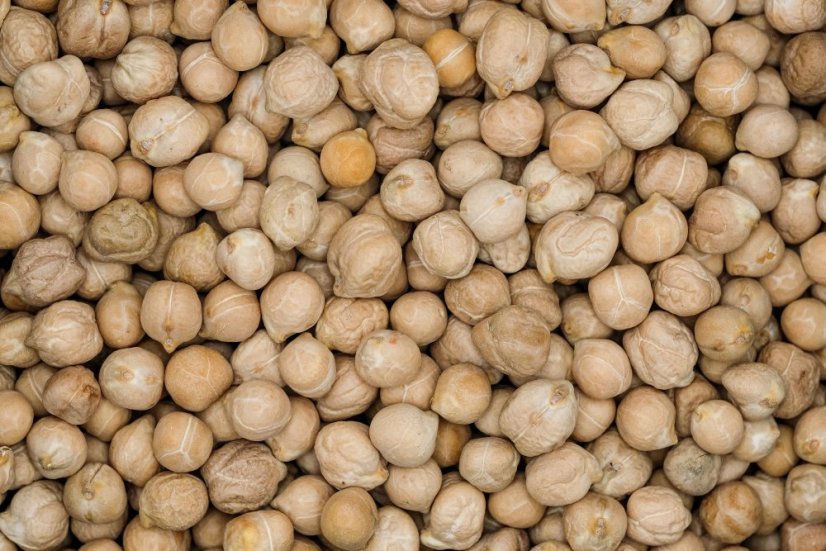
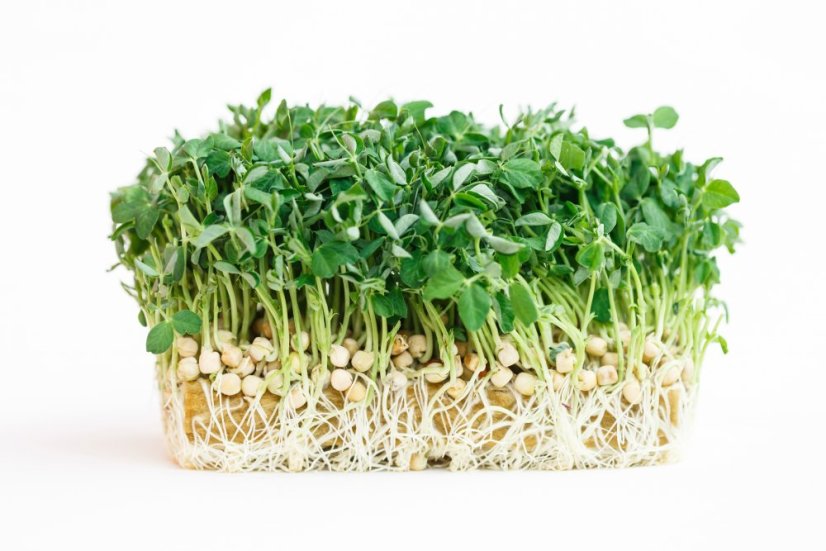

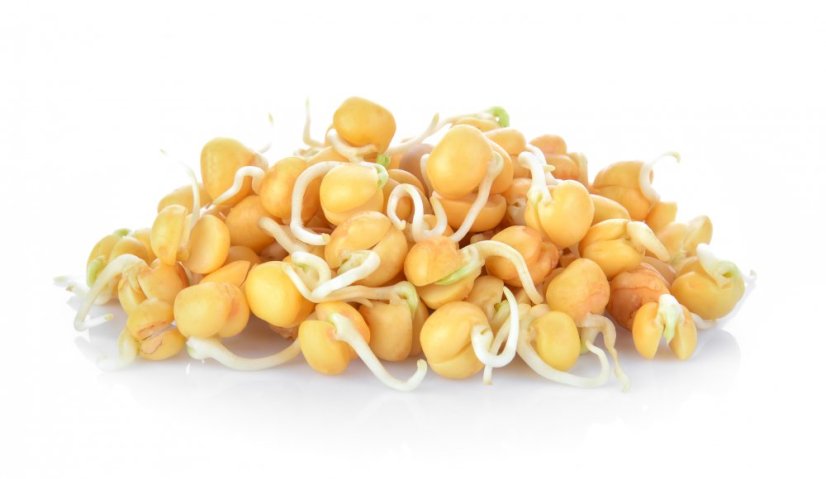
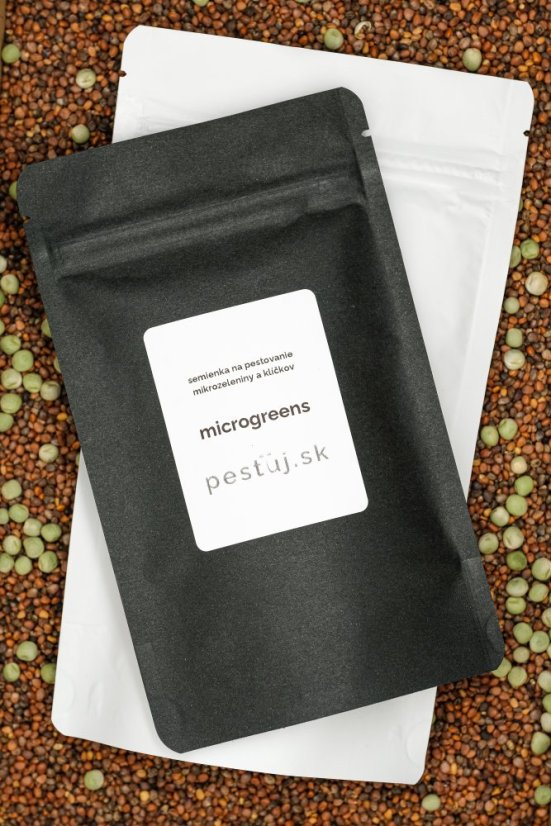


Chickpeas – Seeds for Sprouting and Growing Healthy Microgreens and Baby Leaves.
Why and How to Grow These Healthy and Nutritious Plants:
Growing chickpea microgreens and sprouts has become an essential part of a healthy lifestyle for those seeking traditional yet highly nutritious additions to their diet. Chickpeas provide a rich source of vitamins, minerals, and fiber, supporting better digestion and overall health. Their easy integration into everyday meals, such as salads, soups, and sandwiches, makes them an ideal choice for busy individuals who don’t want to compromise on quality for convenience.
1. Evenly spread approximately a 2–3 cm layer of substrate into a preselected suitable container for growing microgreens – ideally a loose, peat-based growing medium. Using a soil substrate provides a very suitable environment for creating a strong and stable root system structure. Use only high-quality, proven, and recommended soil substrates suitable for growing microgreens.
2. Lightly mist the prepared growing surface with a spray bottle so the seeds adhere better to the moist surface. Evenly distribute an appropriate amount of seeds (sowing density for standardized tray sizes is listed in the “Product Parameters” table). Mist the seeds with water again and gently press them into the substrate if necessary. This ensures faster and better root development.
3. Place the container out of direct light for approximately 3 days and keep the substrate sufficiently moist, but not waterlogged. We recommend covering the container to prevent moisture loss.
4. After about 3 days, move the sprouted chickpeas microgreens into the light and continue regular watering.
5. It takes approximately another 6 days until the plants are ready for consumption.
1. Pour an appropriate amount of seeds into a sprouting container – ideally a special sprouting jar with a filtering lid. Rinse the seeds thoroughly several times with clean, cold tap water.
2. Cover the well-rinsed seeds in the jar with water and let them soak for several hours, ideally 8–12 hours. For optional seed disinfection, it is recommended to leave the seeds in a diluted vinegar solution for 15 minutes or rinse them in a 3% hydrogen peroxide solution.
3. After the soaking time, pour off the water, rinse the seeds thoroughly several more times, place the jar on its designated (usually angled) stand, and allow excess water to drain completely. Do not place the jar with seeds in direct sunlight. An area with diffused light and good air circulation is ideal. Rinse the seeds 2–3 times daily.
4. Allow the sprouts to grow to the desired size. If you decide to store them, dry the sprouts thoroughly before placing them in a suitable container. Store them in the refrigerator for approximately 2–3 days. Before storage, it is advisable to rinse the sprouts in a diluted vinegar solution.
Growing Baby Leaves:
The process of growing baby leaves is practically identical to the procedure described above for growing microgreens and microherbs. However, it requires more patience, because after the first true leaves appear, secondary leaves—baby leaves—will start to develop. Depending on the plant species and the conditions provided, the growth of these additional leaves takes approximately another 2–4 weeks before they are aesthetically pleasing and suitable in taste.
If you choose to grow this variant, you should also consider—depending on the quality of the substrate used—whether your plants may need additional feeding. Since a large number of plants are grown on a very small area, without a high-quality base substrate and, if necessary, supplemental nutrients, the result may not meet your expectations.
| Type of Seeds | Non-GMO |
|---|---|
| Suitable for Sprouting | Yes |
| Suitable for Growing Microgreens | Yes |
| Suitable for Growing Baby Leaves | Yes |
| Difficulty | Simple |
| Ideal Sprouting Temperature | Common room temperature - 15-25°C |
| Soaking | Yes - 12-24 hours |
| Total Growth Time | 9 days |
| Growth Time Under Light | 6 days |
| Number of Seeds per Gram | 5 +/- |
| Latin Name | Cicer arietinum |
| Country of Origin | EU, Italy |
| Laboratory tested for | Bacillus cereus, Salmonella spp., Listeria monocytogenes, verotoxin-producing Escherichia coli |
| Blackout Time | 3 days |
| Sow Density - Container 14,5x10cm | 10-15g |
| Sow Density - Container 56x28cm | 108-162g |
Accessories5
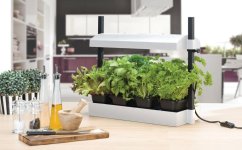
Garland Grow Light Cultivation System – Small
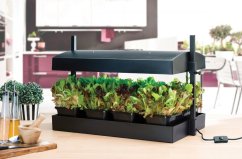
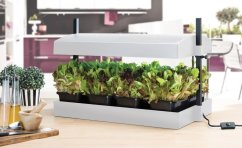
Garland Grow Light Cultivation System – Large
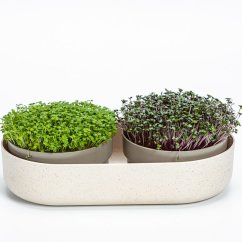
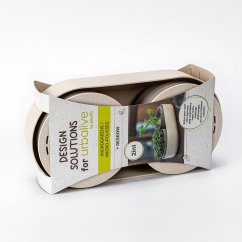
Large Microgreens+Regrow Farm – Ivory


Microgreens Growing Container + 100% Hemp Fiber Substrate
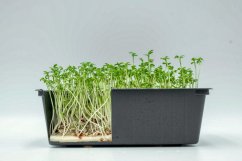
Microgreens Growing Container + 100% Cellulose substrate
Related products12
Garland Grow Light Cultivation System – Small
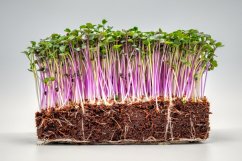
Mix – Red Kohlrabi + Red Cabbage + Black Kale
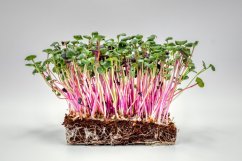
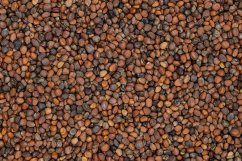
Radish Mix
Large Microgreens+Regrow Farm – Ivory
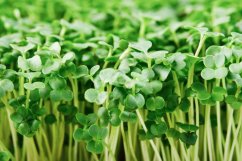
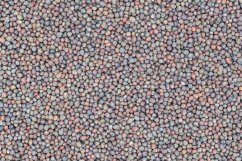
Broccoli Calabrese
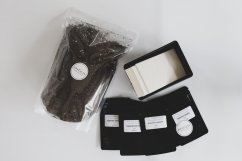
Beginner Tryout Kit – BASIC
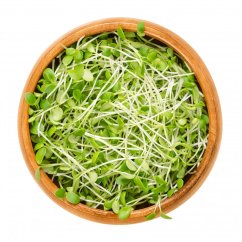
White Clover

Pea "Nephrite"
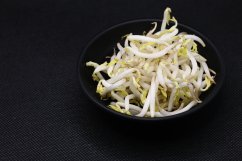
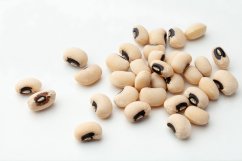
Black-eyed Beans
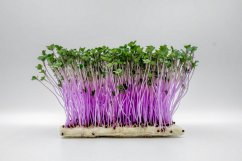
Red Kale
Mustard Red - Red Giant
White Mustard
Alternative products5
Radish Mix
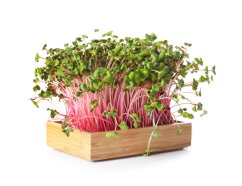
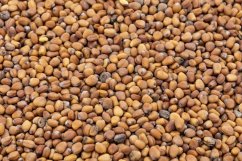
Pink Radish - Pink Coral
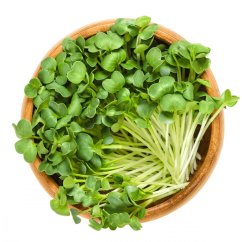
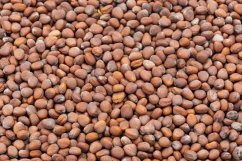
Daikon Radish
Black Radish